
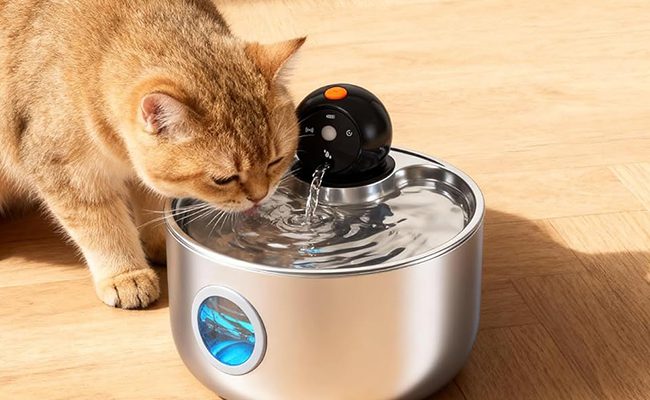
Why Cats Are Picky About Water
Cats are naturally cautious creatures, and their drinking habits are no exception. In the wild, cats instinctively avoid stagnant water sources, which can harbor bacteria. This evolutionary trait explains why many cats are drawn to running water—it signals freshness and safety.
However, that same cautious nature means they may be suspicious of new objects in their environment. A water fountain is a novel item: it moves, makes noise, and looks different from their familiar water bowl. No wonder some cats need time to adjust!
Why a Water Fountain Is Worth the Effort
Before diving into the introduction process, let’s look at why water fountains benefit your cat’s health:
- Encourages more frequent drinking — Cats have a naturally low thirst drive. Moving water is more appealing and prompts them to drink more often.
- Supports kidney and urinary health — Proper hydration helps prevent urinary tract issues, kidney disease, and bladder problems.
- Keeps water fresh and clean — Continuous circulation prevents stagnation and reduces bacteria growth.
- Filters impurities — Quality pet water fountains remove chlorine, odors, calcium, and magnesium for better-tasting water.
Step-by-Step Guide to Introduce Your Cat to a Water Fountain
Step 1: Start with the Fountain Off
Don’t plug it in right away. Place the new fountain near your cat’s existing water bowl while it’s turned off. Let your cat sniff, inspect, and investigate the fountain without any pressure.
Leave both the old bowl and the new fountain available for a few days. This allows your cat to become familiar with the fountain’s presence and appearance before dealing with the added novelty of moving water and sound.
Step 2: Choose the Right Location
Placement matters more than you might think. Cats prefer to drink in quiet, calm areas away from high foot traffic. Avoid placing the fountain next to their food bowl or litter box—many cats instinctively avoid drinking near where they eat or eliminate.
A corner of the kitchen, a quiet hallway, or any low-traffic spot works well.
Step 3: Turn It On — But Keep It Low
Once your cat seems comfortable with the fountain’s presence, plug it in. If your fountain has multiple flow settings, start with the gentlest, quietest setting.
Some cats are startled by the sound of running water or the sight of moving water. Starting slow gives them time to adjust without feeling overwhelmed.
Step 4: Keep the Old Bowl Available
During the transition period, keep your cat’s original water bowl available alongside the fountain. This ensures your cat stays hydrated even if they’re hesitant about the new fountain.
Once you see your cat drinking regularly from the fountain, you can gradually phase out the old bowl.
Step 5: Use Positive Reinforcement
Praise your cat or offer a small treat whenever they approach, sniff, or investigate the fountain. This creates a positive association with the new object.
Even if they just walk near it, reward the curiosity. Patience and encouragement go a long way.
Step 6: Try Flavor Enhancements (If Needed)
If your cat remains stubbornly uninterested, try adding a small amount of tuna juice (in water, not oil) or low-sodium chicken broth to the fountain water. The appealing flavor may tempt them to take that first drink.
Once they start drinking regularly, you can gradually reduce the flavoring until they’re happy with plain water.
Step 7: Be Patient
Every cat is different. Some will start using a fountain within hours; others may take days or even weeks. Don’t rush the process. Forcing the issue will only make your cat more resistant.
Troubleshooting: Why Won’t My Cat Drink from the Fountain?
If your cat still refuses after following these steps, consider these common issues:
| Issue | Solution |
|---|---|
| Fountain is too noisy | Choose a model with an ultra-quiet pump. Some cats are sensitive to motor sounds. |
| Water flow is too strong | Adjust to a gentler flow setting if available. |
| Plastic taste or odor | Some cats dislike plastic. Try a stainless steel fountain or run the fountain for 24 hours to flush out factory smells. |
| Location is wrong | Move the fountain to a quieter, more secluded spot. |
| Water isn’t fresh enough | Change the water and clean the fountain regularly. Cats are sensitive to stale water. |
Choosing the Right Water Fountain
Not all fountains are created equal. When selecting a fountain for your cat, look for:
- Quiet operation — A silent or near-silent pump reduces stress and encourages use.
- Effective filtration — Multi-stage filtration removes chlorine, odors, and impurities.
- Easy cleaning — Simple disassembly makes maintenance hassle-free.
- BPA-free materials — Safe materials protect your cat’s health.
- Cordless or battery options — Wireless designs offer more placement flexibility and eliminate cord-chewing hazards.
Why Quality Matters
The fountain you choose directly affects how quickly your cat accepts it. A fountain with a noisy pump, poor water flow, or cheap materials may turn your cat off permanently.
That’s why working with a trusted manufacturer makes all the difference. Guangdong Hashi Intelligent Manufacturing Technology Co., Ltd. (HASHI) is a leading OEM/ODM manufacturer specializing in smart pet devices. Headquartered in Huizhou with a 30,000 m² independent modern production base, HASHI ranks among China’s top 5 pet product manufacturers.
HASHI’s vertically integrated facility houses injection molding workshops, water pump production lines, stainless steel die-casting operations, filter manufacturing, and final assembly—all under one roof. This complete control over the supply chain ensures consistent quality and reliable delivery.
All products are certified to CE, FCC, RoHS, and UKCA international standards, backed by ISO 9001 quality management. With monthly production capacity of 80,000+ smart pet water fountains, HASHI delivers the scale and quality that leading brands trust.
Explore their full range of cat water fountains, automatic pet feeders, pet air purifiers, and replacement parts at hssmartpet.com.
Frequently Asked Questions (FAQ)
Q1: My cat completely ignores the fountain. What should I do first?
First, keep the fountain turned off for a few days and place it near their old water bowl so they can get used to its presence without the noise and movement. Continue offering their old bowl simultaneously. Use positive reinforcement like treats when they sniff or approach the fountain. Patience is key—some cats take up to two weeks to adjust.
Q2: My cat loves moving water but seems scared of the fountain’s noise. What can I do?
Choose a fountain with an ultra-quiet pump and start on the lowest flow setting. Place the fountain on a soft mat to reduce vibration noise. Over time, as your cat gets used to the sound, you can gradually increase the flow. If the noise persists, consider a wireless or battery-operated model with a premium silent motor.
Q3: Where is the best place to put a cat water fountain?
Place the fountain in a quiet, low-traffic area away from direct sunlight, food bowls, and litter boxes. Cats naturally prefer to drink in calm, safe spots where they won’t be disturbed. A corner of the living room, a quiet hallway, or the edge of the kitchen (away from the stove) are all great options.
Q4: How often should I clean the fountain and change the filter?
It’s recommended to clean the entire fountain (bowl, pump, and spout) thoroughly once a week to prevent biofilm buildup. The filter should be replaced every 2 to 4 weeks, depending on your cat’s usage and water hardness. Always use genuine replacement filters to ensure proper chlorine and impurity removal.
Q5: Should I choose a plastic, stainless steel, or cordless fountain?
Stainless steel is the most hygienic and durable option—it resists bacteria, doesn’t hold odors, and is easier to clean. Cordless/battery-operated fountains offer greater placement flexibility and eliminate the risk of cords being chewed. If you choose plastic, ensure it is BPA-free and has a smooth, non-porous surface to prevent scratches that harbor bacteria.
Final Thoughts
Introducing your cat to a water fountain doesn’t have to be a battle. With patience, positive reinforcement, and the right fountain, most cats will make the switch and enjoy better hydration for life.
Remember: every cat is unique. What works for one may not work for another. Stay patient, observe your cat’s behavior, and adjust your approach accordingly. The health benefits of proper hydration are well worth the effort.
Looking for a reliable partner for your pet product brand? HASHI Smart offers end-to-end OEM/ODM manufacturing solutions for pet water fountains, automatic feeders, air purifiers, and core components. Visit hssmartpet.com to learn more.
