
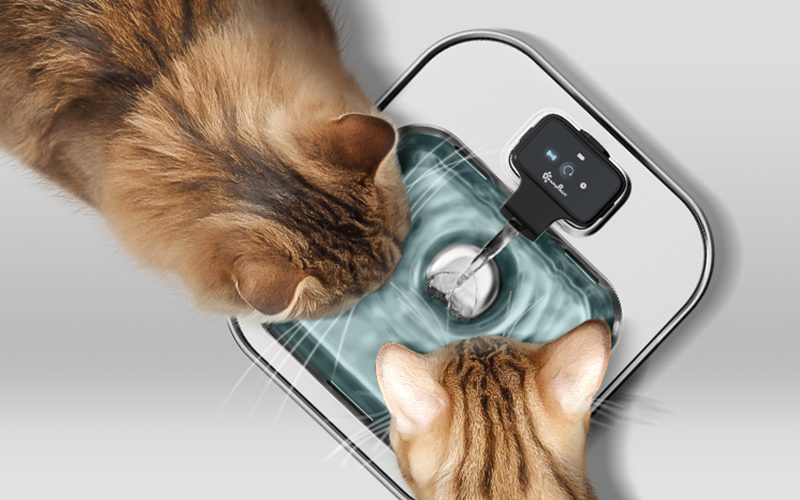
You did everything right. You researched the best cat water fountain. You compared materials, checked filter types, read dozens of reviews. You picked one that looked perfect, set it up on the kitchen floor, filled it with fresh water, and turned it on with genuine excitement.
And your cat stared at it, flicked their tail, and walked away to drink from the toilet.
Before you pack the fountain back into its box and request a return, take a breath. This is completely normal. According to Purina, cats are creatures of deep habit and instinct. They do not embrace new things quickly. But with the right introduction method, nearly every cat can learn to love a water fountain. And once they do, their hydration improves dramatically.
This guide walks you through a proven seven-step process that works for kittens, adult cats, senior cats, and even the most stubborn felines who seem determined to ignore anything new.
Still choosing the right fountain? Browse our full range of cat water fountains designed with real cat behavior in mind.Browse Cat Water FountainsView All Fountain Models
Why Cats Need Encouragement with Water Fountains
Understanding why your cat is hesitant helps you approach the introduction with empathy instead of frustration.
Cats are hardwired to be suspicious of new objects in their territory. In the wild, unfamiliar things near food or water sources could be predators, traps, or contaminated. Your house cat has never encountered a predator in the living room, but that ancient wiring still runs their decision-making process.
A fountain adds two layers of unfamiliarity. First, it is a new physical object in their space. Second, it produces sound and movement that a regular water bowl never did. For a cat, that is a double dose of caution triggers.
International Cat Care explains that cats rely heavily on scent and routine to feel secure. Anything that disrupts either of those needs to be introduced gradually. Rushing the process creates negative associations that can take weeks to undo.
The good news is that cats are also naturally curious. The American Veterinary Medical Association notes that environmental enrichment, including novel objects and sensory stimulation, is important for feline mental health. A water fountain actually serves double duty as both a hydration tool and an enrichment device. You just need to help your cat see it that way.
Industry research on cat hydration behavior confirms that cats instinctively prefer moving water and that fountains significantly increase daily water intake compared to still bowls.
Step 1. Choose the Right Location Before Anything Else
Location is the single most overlooked factor in fountain success. Even the best fountain will be rejected if it is placed in the wrong spot.
Away from food. Cats instinctively separate their water from their food. In nature, water near a kill site could be contaminated. Place the fountain at least several feet away from the food bowl. A different room is even better if your layout allows it.
Away from the litter box. This should be obvious but it is worth stating. No cat wants to drink next to their toilet. Keep maximum distance between the fountain and the litter area.
Quiet zone. Avoid high-traffic areas, spots near noisy appliances, or places where the cat might feel cornered or exposed. Cats prefer to drink where they can see their surroundings and retreat easily if needed.
Near their current drinking spot. If your cat already drinks from a specific bowl or likes to jump on the bathroom counter for faucet water, placing the fountain nearby leverages existing comfort. You are meeting the cat where they already want to be.
A cordless battery-powered fountain removes the outlet constraint entirely. You can place it wherever your cat naturally gravitates without worrying about cord length or outlet proximity. This flexibility alone can be the difference between a cat that engages and one that does not.
Step 2. Let the Cat Investigate the Fountain While It Is Off
This step is simple but critical. Before you power on the fountain, leave it sitting in place for 24 to 48 hours with water in it but completely turned off. No pump. No sound. No movement.
Let your cat discover it on their own terms. They will sniff it. They might paw at it. They will walk around it several times. They may rub their face on it to transfer their scent. All of this is normal investigation behavior and it is exactly what you want.
During this phase, the fountain is just a new bowl. There is nothing threatening about it. The cat can mark it, examine it, and decide it belongs in their territory without any stress.
Scent transfer trick: Take a soft cloth and gently rub it on your cat’s cheeks and chin where their facial scent glands are located. Then wipe that cloth around the rim and outer surface of the fountain. This deposits your cat’s own scent onto the new object and signals to their brain that this thing is part of their territory. It works remarkably well.
Feline behavior experts explain that cats use scent marking and environmental testing as their primary ways of evaluating new objects. Giving them time to investigate without pressure is the foundation of a successful introduction.
Step 3. Power On the Fountain Away from the Cat
The first time the pump activates can startle a cat if they are standing right next to it. That sudden buzz and the unexpected movement of water can create a fear association that takes days to overcome.
Here is the right way to do it.
- Wait until your cat is in another room, ideally napping or engaged with something else.
- Turn the fountain on and let it run for five to ten minutes so the water flow stabilizes.
- Walk away and let the cat discover the now-flowing water on their own.
The sound of trickling water from another room actually works in your favor. It triggers curiosity rather than fear. The cat hears something new and interesting, walks over to investigate, and finds a familiar object that now has moving water in it. The transition from familiar to fascinating happens naturally.
Flow mode matters. If your fountain has multiple settings, always start with the gentlest one. A soft bubble or a thin stream is far less intimidating than a strong arc or a waterfall effect. You can experiment with other modes once the cat is already comfortable.
A fountain with infrared motion sensor activation is particularly effective here. The fountain stays completely silent when nobody is around and only activates when the cat approaches. This means the cat controls the experience. They walk up, the water starts flowing, and they feel like they caused it. That sense of control dramatically reduces anxiety.
Forbes testing of leading cat water fountains found that motion-activated models scored especially well with initially hesitant cats because the responsive behavior felt more natural to them than a constantly running stream.
Step 4. Keep the Old Water Bowl Right Next to the Fountain
This is non-negotiable during the transition. Do not remove the old water bowl. Your cat must always have access to water, even if they are not yet drinking from the fountain.
Place the old bowl directly next to the fountain. This does two things. First, it ensures your cat stays hydrated regardless of their fountain progress. Second, it creates a direct comparison. The cat can see and smell both options side by side and make their own choice.
Most cats will go through this sequence.
- Days 1 to 2: Sniff the fountain, maybe touch the water with a paw, then drink from the old bowl.
- Days 3 to 4: Spend more time near the fountain, watch the water flow, occasionally taste it.
- Days 5 to 7: Begin drinking from the fountain intermittently while still using the old bowl.
- Week 2: Prefer the fountain most of the time, use the old bowl less frequently.
Once your cat is consistently choosing the fountain for at least three to four days straight, you can start gradually moving the old bowl further away. Move it a few feet each day until it is in a different room. Then remove it entirely.
Never rush this step. Removing the bowl too early does not motivate the cat to use the fountain. It stresses them out and can lead to reduced water intake, which is the exact opposite of what you are trying to achieve.
Step 5. Make the Fountain Water More Appealing
Small enhancements can significantly speed up the transition. Here are techniques that experienced cat owners and veterinarians recommend.
Use filtered water from day one. Cats can detect chlorine, fluoride, and mineral content in tap water that humans cannot perceive. Filtered water smells cleaner and tastes more neutral. If your fountain has a built-in filter, make sure it is fresh. A worn-out filter can make the water taste worse than a plain bowl. High-quality replacement filters with multi-stage filtration keep the water consistently fresh and appealing.
Add ice cubes for movement and temperature. Some cats are fascinated by small objects moving in water. A few ice cubes create gentle movement and lower the water temperature slightly. Many cats prefer cooler water, especially in warmer months.
Try a temporary flavor boost. Drain a small amount of water from a can of tuna packed in water (not oil). Add just a teaspoon to the fountain water. The scent is almost irresistible to most cats. This is a temporary trick to build the initial habit. Do not use it long-term as it can promote bacterial growth and clog the filter.
Keep it spotlessly clean. The ASPCA emphasizes that cats have a sense of smell approximately fourteen times stronger than humans. A fountain that smells even slightly off will be avoided. Clean the basin before first use and rinse it daily during the transition period.
A fountain designed for easy cleaning makes this maintenance effortless. Models with tool-free disassembly and dishwasher-safe components take the chore out of daily upkeep. Research on fountain cleaning design explains which features matter most for long-term maintenance.
Looking for a fountain that is easy to keep clean? Every model in our range is designed for quick disassembly and hassle-free maintenance.Explore Easy-Clean FountainsShop Replacement Filters
Step 6. Adapt Your Approach for Different Cat Personalities
Not all cats respond to the same timeline or the same techniques. Tailoring your approach to your cat’s personality makes a significant difference.
For Shy or Anxious Cats
Shy cats need more time and less stimulation. Start with the fountain in a room the cat frequents but does not feel cornered in. Keep it powered off for an extra day or two beyond the standard recommendation. When you do turn it on, use the lowest flow setting and consider a model with a motion sensor so the fountain is not running constantly.
A low-noise cordless fountain rated under 30 decibels is ideal for shy cats. The quieter the pump, the less threatening the fountain feels. Some shy cats respond better when the fountain is placed behind a piece of furniture where they can approach from a protected position.
For Kittens
Kittens are usually the easiest. Their natural curiosity and lack of established habits means they adapt quickly. Most kittens will start playing with the fountain water within hours and drinking from it within a day or two. The main concern with kittens is making sure the fountain is stable and cannot be tipped over during enthusiastic exploration.
For Senior Cats
Older cats may have joint pain, reduced vision, or simply a strong preference for routines they have followed for years. Make sure the drinking height is comfortable. A fountain that requires crouching low will be rejected by a cat with arthritis. Fountains with a wide low-profile drinking bowl are easier for senior cats to access without straining.
Be extra patient with older cats. They may need two to three weeks instead of one. Do not remove the old bowl until you are absolutely certain the fountain has become their primary water source.
For Multi-Cat Households
If you have multiple cats, expect them to adopt the fountain at different rates. The bold cat might start using it on day one while the shy cat watches from across the room for a week. This is normal. The bold cat’s behavior actually helps because the shy cat can observe that the fountain is safe.
Consider having both a fountain and a regular water bowl available permanently in multi-cat households. Some cats simply prefer still water and that is okay. Cornell University’s veterinary resources note that providing multiple water sources in different locations is one of the best ways to ensure all cats in a household stay properly hydrated.
Product specialists recommend placing one fountain per floor in multi-level homes and adding a still water bowl in a separate location as a backup option.
Step 7. Reward Every Positive Interaction
Positive reinforcement is the most effective training method for cats, even though many people mistakenly believe only dogs respond to it.
Every time your cat approaches the fountain, sniffs it, touches the water, or drinks from it, immediately offer a small treat, gentle verbal praise, or a brief petting session if they enjoy physical affection.
You are building a neurological association. Cat’s brain learns: this object equals good things happening. Over time the behavior becomes self-reinforcing and the reward is no longer necessary.
What not to do:
- Never force your cat’s face into the water. This creates a traumatic association that can make them afraid of the fountain permanently.
- Never spray your cat with water from the fountain as punishment or encouragement.
- Never yell, clap, or make loud noises near the fountain to get the cat’s attention.
- Never punish your cat for drinking from the old bowl instead of the fountain.
Patience and positive association are the only reliable methods. Everything else backfires.
Troubleshooting. What to Do When Nothing Works
If you have followed all seven steps for two full weeks and your cat still refuses the fountain, do not give up yet. Systematically check these common issues.
Noise level. Even fountains marketed as quiet can produce more sound than expected once water is flowing. If you can hear the pump hum or the water gurgling from across the room, your cat definitely can too. Consider switching to a model with a proven ultra-quiet pump. Fountains with sub-30 dB pump ratings make a noticeable difference for noise-sensitive cats.
Material sensitivity. Some cats react to the smell of certain plastics, especially when the plastic is new. If you are using a plastic fountain, try a stainless steel model instead. Stainless steel is odorless, does not scratch, and is the material most recommended by veterinarians. Research on plastic fountains and feline chin acne explains why material choice matters for both health and acceptance.
Wrong flow mode. Some cats prefer a gentle bubble. Others want a visible stream they can see and hear. If your fountain has adjustable modes, try each one for at least two days before switching. You might be surprised by your cat’s preference.
Placement still wrong. Even moving the fountain three feet to the left can make a difference. Try a completely different room. Some cats prefer their water in a bedroom or hallway rather than the kitchen.
Filter needs replacing. A dirty or old filter can make the water taste and smell worse than a plain bowl of tap water. If the filter has been in use for more than two weeks, replace it before assuming the cat has a problem with the fountain itself. Fresh replacement filters with activated carbon restore water quality immediately.
Medical issue. If your cat is not drinking enough water from any source, not just the fountain, consult your veterinarian. Reduced water intake can be a symptom of dental pain, kidney issues, or other health conditions that have nothing to do with the fountain itself.
Transition Timeline at a Glance
| Day | Action | Expected Behavior |
|---|---|---|
| Day 1 | Place fountain off, fill with water, next to old bowl | Cat sniffs, investigates, walks away |
| Day 2 | Still off. Apply scent transfer trick | Cat rubs face on fountain, shows familiarity |
| Day 3 | Power on when cat is in another room | Cat hears water, approaches with curiosity |
| Day 4 to 5 | Keep both options. Reward any fountain interaction | Cat paws at water, may taste it |
| Day 6 to 7 | Add flavor boost if needed. Maintain both bowls | Cat drinks from fountain intermittently |
| Week 2 | Gradually move old bowl further away | Cat drinks from fountain more frequently |
| Week 3 | Remove old bowl once fountain is primary source | Cat drinks from fountain consistently |
Ready to give your cat the fountain they deserve? Our engineering team designs every product with real feline behavior in mind.Shop Cat Water FountainsContact Us for Questions
Quick FAQ
How long does it take for a cat to start using a water fountain?
Most cats begin using a water fountain within one to seven days. Kittens and naturally curious breeds may adapt within hours. Shy, older, or anxious cats can take up to two weeks with a gradual introduction approach.
Why is my cat scared of the water fountain?
Cats are naturally cautious around new objects that produce sound and movement. The pump vibration and flowing water can seem unfamiliar and potentially threatening. Starting with the fountain powered off and gradually introducing the sound helps reduce fear.
Should I remove the old water bowl when introducing a fountain?
No. Keep the old water bowl next to the fountain during the entire transition period. Removing it too early can cause dehydration and stress. Only remove the bowl once your cat consistently chooses the fountain over the bowl for several days.
Where is the best place to put a cat water fountain?
Place the fountain in a quiet area away from food bowls and litter boxes. Cats instinctively prefer their water source separated from eating and elimination zones. A calm corner of the living room, bedroom, or kitchen works well.
What if my cat plays with the fountain water but does not drink?
Playing with the water is actually a positive sign. It means your cat is comfortable interacting with the fountain. Drinking behavior typically follows within one to two days once the initial novelty of playing wears off.
Does the material of the fountain matter to cats?
Yes. Some cats are sensitive to the smell and texture of certain plastics. Stainless steel is odorless and recommended by veterinarians for cats with sensitive skin or chin acne. Ceramic is another good option that resists odors naturally.
Can I use tap water in a cat fountain?
Yes but filtered water is better. Cats can detect chlorine and minerals in tap water that humans cannot smell. Using filtered water improves taste and encourages drinking. A built-in activated carbon filter also helps purify tap water during circulation.
How often should I clean the fountain during the transition period?
Clean the fountain thoroughly before first use. During the transition, rinse the basin daily and do a full disassembly clean every week. A clean fountain smells neutral and encourages the cat to approach. A dirty fountain will be avoided regardless of design.
Will a motion sensor fountain help a shy cat?
Yes. Motion sensor fountains remain silent when the cat is not nearby and activate only when the cat approaches. This eliminates constant background noise that might intimidate a shy cat and creates a more natural and responsive drinking experience.
My cat still refuses the fountain after two weeks. What should I do?
Check the noise level, material, flow mode, and placement. Try switching to a quieter pump, a different material like stainless steel, a different flow setting, or a new location. Some cats need more time. Consult your veterinarian if your cat is not drinking enough water overall.
The Right Fountain Makes All the Difference
Getting your cat to use a water fountain is mostly about patience, placement, and the right introduction technique. But the fountain itself plays a bigger role than most people realize. A noisy pump, an off-putting plastic smell, or a design that is hard to clean can undermine even the most patient owner’s efforts.
HS Smart Pet designs every cat water fountain with real feline behavior as the starting point. Ultra-quiet pumps that will not startle sensitive cats. Infrared motion sensors that let the cat control the experience. Stainless steel and BPA-free materials that pass the sniff test. Tool-free disassembly that makes weekly cleaning take two minutes instead of twenty.
Our range includes multiple fountain models across different materials, capacities, and power options. Every product carries the necessary safety certifications for international markets.
We offer full OEM and ODM services for pet product sellers, distributors, and brand owners worldwide. Whether you need a proven design ready for your branding or a fully custom product built from your specifications, our team handles everything from concept to delivery.
Have questions about choosing the right fountain for your customers? Reach out to our team and we will respond within 24 hours with product recommendations and a detailed quote.
