
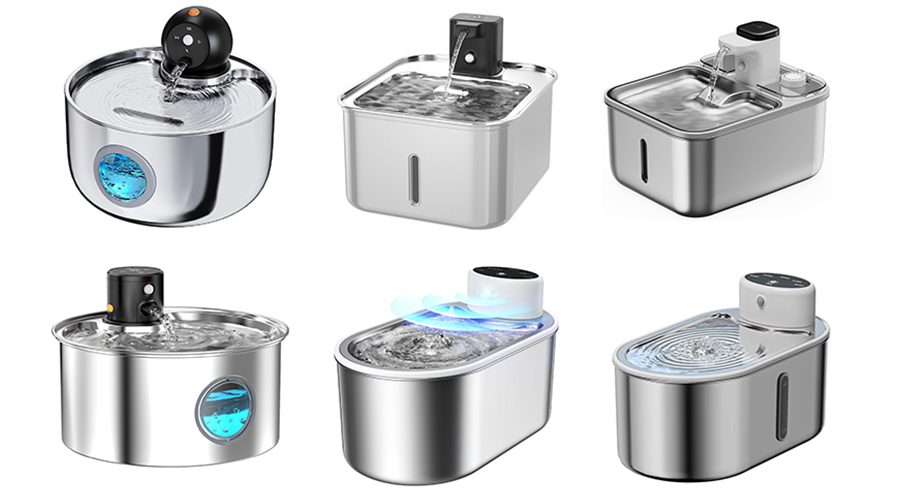
Indoor cats have different hydration needs than outdoor cats — and the fountain you choose should reflect those differences. Here’s how to pick the right fountain for your indoor cat.
Why indoor cats need fountains more
Indoor cats are at higher risk of dehydration because:
Dry food diets. Most indoor cats eat primarily dry food, which contains only about 10% moisture. They need significant additional water intake.
Lower activity levels. Indoor cats are generally less active than outdoor cats, which can reduce their natural thirst drive.
Climate control. Air conditioning and heating reduce humidity, which can increase water loss through respiration.
Less instinctive drinking. Without exposure to natural water sources, indoor cats may not develop strong drinking habits on their own.
A fountain directly addresses these challenges by making water more accessible and appealing.
Features that matter for indoor cats
Quiet operation
Indoor fountains run 24/7 in your living space. Noise level matters more than it would outdoors. Look for fountains rated below 35dB. In-house pump manufacturing typically produces quieter, more reliable pumps.
Compact design
Indoor spaces have limited counter and floor space. Choose a fountain with a compact footprint that fits your available space without being obtrusive.
Aesthetics
Indoor fountains are visible to guests and family. Stainless steel designs with clean, modern aesthetics complement home decor. Plastic fountains can look utilitarian.
Easy cleaning
Indoor fountains accumulate more dust and airborne particles than outdoor models. Easy disassembly and dishwasher-safe components make regular cleaning practical.
Multi-mode operation
Sensor mode is particularly valuable for indoor cats — silent when idle, active when your cat drinks. This keeps your home quiet while ensuring water is always available.
Recommended specifications
- Capacity: 2L-3L for single cats, 5L for multi-cat households
- Noise level: Below 35dB
- Material: Stainless steel for hygiene and aesthetics
- Modes: Timer, sensor, and continuous
- Filtration: 5-layer with activated carbon
Placement tips
- Place the fountain away from food bowls (cats prefer water sources separate from feeding areas)
- Place in a low-traffic area where your cat feels safe drinking
- Keep away from direct sunlight (warms water and encourages algae growth)
- Avoid placing near loud appliances (washing machines, dishwashers)
The bottom line
Indoor cats benefit significantly from water fountains — they address the hydration challenges specific to indoor living. Choose a quiet, compact, aesthetically pleasing fountain with quality filtration and multi-mode operation.
