
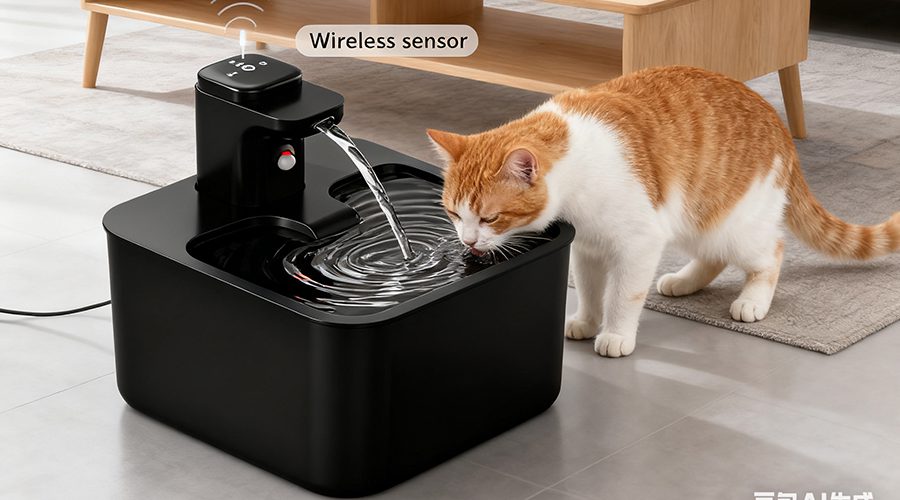
A cat water fountain only provides clean water if the fountain itself is clean. Proper cleaning prevents bacteria buildup, maintains pump performance, and ensures your cat’s water stays fresh and safe.
How often to clean
Weekly: Quick rinse — disassemble, rinse all components with warm water, reassemble.
Monthly: Deep clean — full disassembly, thorough cleaning with mild soap, filter replacement.
As needed: Immediate cleaning if you notice slime buildup, odor changes, or reduced water flow.
Step-by-step cleaning process
Step 1: Unplug and empty
Always unplug the fountain before cleaning. Empty all water and set aside the pump and filter (don’t throw away the filter unless it’s time for replacement).
Step 2: Disassemble
Remove all removable components — water tank, bowl, pump cover, filter housing, and any other parts. Most quality fountains disassemble without tools.
Step 3: Clean the water tank
Wash the water tank with warm water and a mild, unscented dish soap. Use a soft sponge or bottle brush to reach all surfaces. Avoid abrasive scrubbers that can scratch plastic surfaces.
For stainless steel tanks, you can use a slightly more aggressive cleaning approach, but avoid steel wool or harsh abrasives.
Step 4: Clean the pump
The pump is the most critical component to clean:
- Remove the pump cover (if applicable)
- Clean the impeller chamber with a small brush — this is where hair and debris accumulate
- Rinse thoroughly to remove all soap residue
- Check the inlet for blockages
A clean pump runs quieter and lasts longer.
Step 5: Clean other components
Wash the bowl, filter housing, and any other removable parts with warm, soapy water. Pay attention to crevices where slime can accumulate.
Step 6: Rinse thoroughly
Rinse all components with clean water to remove all soap residue. Soap residue can affect water taste and may be harmful to cats.
Step 7: Reassemble and refill
Reassemble the fountain, insert a fresh or cleaned filter (if it’s filter replacement time), refill with fresh water, and plug in.
Cleaning tips
Use distilled or filtered water. This reduces mineral buildup in the fountain and extends time between deep cleans.
Clean the pump weekly. The pump impeller is where most problems develop. A quick weekly clean prevents issues.
Replace filters on schedule. Even if the filter looks clean, it loses effectiveness over time. Replace every 2-4 weeks.
Don’t use bleach or harsh chemicals. These can damage components and leave residues that are harmful to cats.
Dry components before reassembling. This prevents mold growth in hidden areas.
The bottom line
Proper fountain cleaning takes 10-15 minutes weekly and prevents the bacteria buildup, pump problems, and water quality issues that result from neglect. A clean fountain provides the health benefits you bought it for.
