
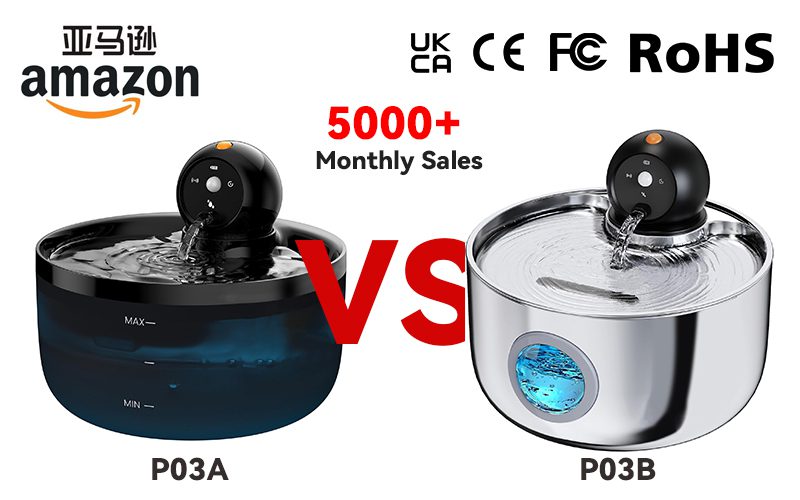
Choosing the right pet water fountain involves more than picking a design you like. The material of the fountain — stainless steel or plastic — directly affects your pet’s health, the product’s lifespan, and your long-term costs. This guide breaks down every major factor so you can make a confident, informed decision.
Why Material Matters in a Pet Water Fountain
Pets interact with their water fountain multiple times every day. The surface they drink from, the durability of the unit, and how cleanly it maintains water flow all depend on the material. A poor material choice can lead to chin acne in cats, bacterial buildup, cracked components, or frequent replacements. Understanding the differences between stainless steel and plastic is the first step toward a smarter purchase.
Stainless Steel vs Plastic: Side-by-Side Comparison
| Factor | Stainless Steel | Plastic |
|---|---|---|
| Durability | Highly resistant to cracks, scratches, and warping. Maintains structural integrity for years. | Prone to surface scratches over time, which can harbor bacteria. May crack or discolor with prolonged use. |
| Hygiene | Non-porous surface resists bacterial adhesion. Easier to sanitize thoroughly. | Micro-scratches create crevices where bacteria and biofilm can accumulate, even after washing. |
| Pet Safety | Free from BPA and other chemical leaching risks. Recommended by many veterinarians for cats prone to chin acne. | Lower-quality plastics may contain BPA or phthalates. Plastic allergies or feline chin acne have been linked to plastic contact surfaces. |
| Weight and Stability | Heavier, which reduces tipping by active pets. | Lighter and easier to move, but more likely to be knocked over by dogs or energetic cats. |
| Noise Level | Generally quieter due to denser material absorbing pump vibrations. | Can amplify pump noise, especially as the unit ages and components loosen. |
| Aesthetic and Design Options | Sleek, modern appearance. Fewer color and shape variations. | Available in a wide range of colors, shapes, and playful designs. |
| Price | Higher upfront cost, but longer lifespan offsets the investment over time. | Lower initial price point. May require more frequent replacement. |
| Environmental Impact | Fully recyclable. Longer product life means less waste. | Depends on plastic type. Shorter lifespan contributes to more frequent disposal. |
| Compatibility with Filters and Pumps | Works well with high-quality replacement filters and water pumps designed for long-term use. | Compatible with standard filters, but plastic housing may degrade faster around pump fittings. |
Deep Dive: Hygiene and Health Considerations
Bacterial Growth
Stainless steel’s non-porous surface is one of its greatest advantages. Studies on food-grade and medical-grade stainless steel consistently show lower bacterial retention compared to plastic. For pet water fountains, this means the drinking surface stays cleaner between washes. Plastic, by contrast, develops micro-abrasions from regular cleaning and pet contact. These tiny grooves become breeding grounds for bacteria and biofilm, which can affect water quality and your pet’s health.
Feline Chin Acne
Cat owners frequently report cases of chin acne linked to plastic food and water bowls. The condition manifests as blackheads, swelling, or pustules on the chin. Veterinarians commonly recommend switching to stainless steel or ceramic as a first-line remedy. If your cat has a history of skin irritation around the chin, a stainless steel water fountain is the safer choice.
Chemical Leaching
Not all plastics are created equal. Food-grade, BPA-free plastics are generally considered safe, but lower-cost fountains may use materials that do not meet these standards. Stainless steel eliminates this concern entirely, as it does not leach chemicals into water regardless of temperature or duration of use.
Deep Dive: Durability and Long-Term Value
A stainless steel fountain can last five years or more with proper maintenance. Plastic fountains typically show visible wear within one to two years — discoloration, cloudiness, and surface scratches become apparent. When you factor in replacement costs, the total cost of ownership for stainless steel is often lower despite the higher initial price.
For businesses sourcing pet fountains in bulk, durability also affects return rates and customer satisfaction. Manufacturers with strong quality control, such as those holding ISO9001, FCC, CE, RoHS, and UKCA certifications, can deliver both stainless steel and plastic fountains that meet international durability standards.
Which Material Is Better for Specific Pets?
| Pet Type | Recommended Material | Reason |
|---|---|---|
| Cats (general) | Stainless Steel | Reduces chin acne risk; cats are sensitive to surface texture and taste. |
| Cats with skin allergies | Stainless Steel (strongly recommended) | Eliminates plastic-related allergen contact entirely. |
| Small dogs | Either (stainless steel preferred) | Both work, but stainless steel offers better stability and hygiene. |
| Large or active dogs | Stainless Steel | Heavier weight prevents tipping; resists damage from chewing or rough play. |
| Multi-pet households | Stainless Steel | Higher hygiene standards needed when multiple animals share one fountain. |
| Budget-conscious single-pet homes | Plastic (BPA-free) | Affordable entry point; acceptable if replaced regularly and cleaned frequently. |
Maintenance Tips for Both Materials
- Clean weekly: Disassemble the fountain and wash all components with mild, pet-safe detergent. For plastic fountains, use a soft cloth to avoid creating new scratches.
- Replace filters on schedule: Most manufacturers recommend replacing carbon filters every two to four weeks. Using high-quality replacement filters ensures consistent water purity.
- Inspect the pump: Hair and debris can clog the pump over time. Rinse the pump impeller monthly to maintain optimal water flow. Reliable water pumps are designed for easy disassembly and cleaning.
- Use filtered water: Tap water with high mineral content can cause scale buildup in both stainless steel and plastic fountains. Filtered or distilled water extends the life of the unit.
- Replace plastic units proactively: If you choose plastic, plan to replace the fountain every 12 to 18 months, or sooner if you notice discoloration or deep scratches.
For Businesses: Sourcing Pet Water Fountains
If you are a retailer, Amazon seller, or brand owner looking to source pet water fountains, material selection is a critical product development decision. Stainless steel fountains command a higher retail price and tend to generate stronger customer loyalty due to their longevity. Plastic fountains offer a lower barrier to entry and broader design flexibility.
Working with an experienced manufacturer that offers both OEM and ODM services allows you to test both materials in your product line. A vertically integrated factory with in-house injection molding, stainless steel processing, and assembly capabilities can deliver consistent quality across material types. You can learn more about full-service OEM and ODM solutions from established manufacturers.
For Amazon sellers and wholesale buyers, certifications matter. Products carrying FCC, CE, RoHS, and UKCA marks can be listed and shipped across North America, Europe, and other major markets without compliance hurdles. Explore certified pet product options to ensure your inventory meets regulatory requirements.
Brands pursuing private label strategies can leverage stainless steel as a premium-tier differentiator while offering plastic models as an accessible entry-level option. This tiered approach maximizes market coverage.
Frequently Asked Questions (FAQ)
Is stainless steel really safer than plastic for pets?
Yes. Stainless steel is non-porous, does not leach chemicals, and does not develop micro-scratches that harbor bacteria. It is widely recommended by veterinarians, especially for cats prone to chin acne or skin irritation.
Can plastic pet water fountains be BPA-free and still safe?
BPA-free, food-grade plastic fountains are generally considered safe for pets. However, they are still more susceptible to surface wear and bacterial buildup over time compared to stainless steel. Regular replacement is important.
Do stainless steel fountains make more noise?
No. Stainless steel fountains are typically quieter because the denser material absorbs pump vibrations more effectively than plastic, which can amplify and rattle over time.
How often should I replace a plastic pet water fountain?
Plan to replace a plastic fountain every 12 to 18 months, or sooner if you notice discoloration, deep scratches, or persistent odor after cleaning.
Are stainless steel pet fountains dishwasher safe?
Most stainless steel fountain components are dishwasher safe, but always check the manufacturer’s instructions. Pumps and electrical components should never be submerged in a dishwasher.
Which material is better for multi-pet households?
Stainless steel is the better choice for multi-pet households. Its superior hygiene properties and heavier weight (reducing tipping) make it more practical when multiple animals share a single water source.
Can I source both stainless steel and plastic fountains from the same manufacturer?
Yes. Manufacturers with vertically integrated production facilities — including injection molding, stainless steel processing, and assembly lines — can produce both material types. This is especially useful for brands that want to offer a tiered product range. You can review manufacturing capabilities and product catalogs to evaluate options.
What certifications should I look for when sourcing pet fountains?
Look for ISO9001 (quality management), FCC (US market), CE (European market), RoHS (hazardous substance compliance), and UKCA (UK market). These certifications ensure the products meet international safety and quality standards. See full certification details for reference.
Do stainless steel fountains work with the same filters and pumps as plastic ones?
Most fountain filters and pumps are designed to be compatible across material types within the same product line. However, always verify compatibility with the specific model. Quality filters and pumps are engineered for consistent performance in both stainless steel and plastic housings.
Where can I learn more about sourcing pet water fountains for my business?
You can explore product options, manufacturing capabilities, and partnership models through the manufacturer’s solutions page, about page, or contact page to discuss your specific requirements.
Conclusion
Both stainless steel and plastic pet water fountains have a place in the market. Stainless steel excels in hygiene, durability, and pet safety — making it the preferred choice for health-conscious pet owners and multi-pet households. Plastic offers affordability and design variety, serving well as an entry-level option when sourced from reputable manufacturers and replaced on a regular schedule.
For pet owners, the decision comes down to your pet’s health needs and your budget. For businesses, offering both materials allows you to serve a wider customer base. Whichever direction you choose, prioritize products from certified manufacturers with transparent quality control processes. Learn more about the manufacturer’s background or production capabilities to make a well-informed sourcing decision.
