
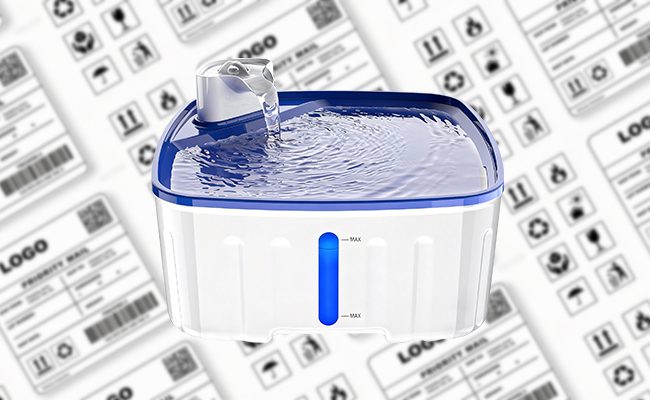
The global pet industry is valued at hundreds of billions of dollars and continues to grow year after year. Within this market, private label pet products represent one of the most accessible and profitable entry points for entrepreneurs, e-commerce sellers, and established retailers. Private labeling allows you to sell products manufactured by a third-party factory under your own brand name — giving you the benefits of a product line without the massive capital investment required to build a factory from scratch. This guide walks you through every stage of building a private label pet brand, from choosing your product niche to scaling your business across multiple channels.
What Is Private Labeling in the Pet Industry?
Private labeling is a business model where you partner with a manufacturer that already produces a product, and you sell that product under your own brand name with your own packaging, logo, and marketing. The manufacturer handles production; you handle branding, distribution, and customer relationships.
In the pet industry, private labeling covers a wide range of product categories:
- Pet water fountains — stainless steel, plastic, or ceramic fountains with gravity, pump, or smart Wi-Fi circulation systems.
- Automatic pet feeders — programmable timer feeders, smart feeders with app connectivity, and gravity feeders.
- Pet air purifiers — compact air purifiers designed to reduce pet dander, odor, and allergens in homes with animals.
- Replacement filters and pumps — consumable accessories that generate recurring revenue after the initial product sale.
- Pet grooming tools, toys, beds, and accessories — a broad category of non-electronic pet products.
- Pet treats and supplements — consumable products with high repeat-purchase rates.
This guide focuses primarily on pet electronics and accessories — water fountains, feeders, air purifiers, and their components — because these categories offer strong margins, recurring revenue from replacement parts, and significant room for brand differentiation. Browse available product categories to see the range of products suitable for private labeling.
Why Private Label Over Reselling or White Label?
Before committing to private labeling, it is worth understanding how it differs from other sourcing models and why it is often the superior choice for building a lasting pet brand.
| Model | How It Works | Brand Control | Margin Potential | Long-Term Value |
|---|---|---|---|---|
| Reselling / arbitrage | Purchase existing branded products at wholesale and resell at a markup. | None — you sell someone else’s brand. | Low — margins are compressed by brand competition and price matching. | Low — you build no brand equity. Customers are loyal to the product brand, not to you. |
| White label | A manufacturer sells a generic product that multiple retailers can brand as their own. Minimal or no customization. | Low — the product is identical across multiple sellers; only the label differs. | Moderate — slightly better than reselling due to brand presence, but differentiation is minimal. | Moderate — you build some brand recognition, but the product is not unique. |
| Private label | A manufacturer produces a product to your specifications — custom branding, colors, features, packaging, and sometimes custom design elements. | High — the product is yours. You control the brand experience from unboxing to after-sales support. | High — you set the retail price without direct price competition from identical products. | High — you build a brand asset with customer loyalty, recurring revenue, and defensible market position. |
| OEM (full custom) | You design the product from scratch and the manufacturer produces it to your exact specifications. | Maximum — complete design ownership and IP protection. | Highest — unique products command premium pricing. | Highest — but requires the most upfront investment and longest development timeline. |
Private labeling hits the sweet spot for most new and growing pet brands: meaningful customization and brand control without the full engineering investment of OEM development. Many successful pet brands start with private label and evolve toward OEM as their market knowledge and revenue grow. Learn more about the differences between private label, OEM, and ODM service models.
Step-by-Step: How to Build a Private Label Pet Brand
Step 1: Choose Your Product Niche
The pet product market is vast. Trying to compete across every category dilutes your resources and confuses your brand identity. The most successful private label brands start narrow and expand. Here is how to choose your starting niche:
Evaluate Market Demand
- Search volume analysis: Use keyword research tools to identify pet product categories with high search volume and moderate competition. Terms like “cat water fountain,” “automatic pet feeder,” and “pet air purifier” consistently show strong demand.
- Amazon bestseller rankings: Study the bestseller lists in pet product categories. Identify products with high sales volume but mediocre reviews — these represent opportunities where you can compete on quality.
- Social media trends: Monitor pet owner communities on Instagram, TikTok, Reddit, and Facebook for emerging product trends and unmet needs.
Evaluate Profit Potential
| Product Category | Average Retail Price | Typical Private Label Cost | Gross Margin Potential | Recurring Revenue |
|---|---|---|---|---|
| Pet water fountain (basic) | $25 to $45 | $6 to $12 | 50 to 70 percent | Yes — replacement filters every 2 to 4 weeks. |
| Pet water fountain (smart / Wi-Fi) | $50 to $100 | $15 to $30 | 50 to 65 percent | Yes — replacement filters and potential app subscription. |
| Automatic pet feeder (basic timer) | $30 to $60 | $8 to $18 | 50 to 65 percent | Limited — no consumables in most models. |
| Automatic pet feeder (smart / Wi-Fi) | $70 to $150 | $20 to $45 | 50 to 65 percent | Moderate — potential for app features and accessories. |
| Pet air purifier | $40 to $120 | $12 to $35 | 50 to 65 percent | Yes — replacement filters every 3 to 6 months. |
| Replacement filters (pack) | $10 to $20 | $1.50 to $4 | 60 to 80 percent | High — consumable product with predictable repeat purchase cycle. |
| Replacement water pumps | $8 to $15 | $1.50 to $3.50 | 55 to 75 percent | Moderate — replacement every 1 to 2 years. |
Products with consumable components (filters, pumps) are especially attractive for private label brands because they generate recurring revenue after the initial sale. A customer who buys your water fountain will need replacement filters every few weeks — and if you sell those filters under your brand, you capture that ongoing revenue. Explore replacement filter and water pump options to understand the consumable opportunity.
Evaluate Your Competitive Advantage
Ask yourself: what can you bring to this market that existing sellers do not? Possible advantages include:
- Superior branding and storytelling: A compelling brand narrative that resonates with pet owners on an emotional level.
- Better product quality: Sourcing from a manufacturer with higher quality standards than competitors who use the cheapest available factory.
- Niche focus: Specializing in a specific pet type (cats only, large dogs only) or a specific use case (apartment living, multi-pet households).
- Bundling strategy: Offering product bundles (fountain + extra filters + pump) that competitors do not.
- Customer experience: Exceptional packaging, unboxing experience, onboarding guides, and responsive customer support.
- Content and community: Building a pet owner community through social media, blogs, and educational content that drives organic brand awareness.
Step 2: Research and Select a Manufacturer
Your manufacturer is the foundation of your private label brand. A great manufacturer produces consistent quality, communicates clearly, meets deadlines, and supports your growth. A poor manufacturer produces inconsistent quality, misses deadlines, and becomes a constant source of problems. Here is how to find and evaluate the right partner:
Where to Find Manufacturers
- Industry trade shows: Pet industry trade shows (Global Pet Expo, Interzoo, Canton Fair) allow you to meet manufacturers in person, examine product samples, and evaluate production capabilities firsthand.
- B2B sourcing platforms: Online platforms connect buyers with manufacturers, but require careful vetting to distinguish actual factories from trading companies.
- Direct referrals: Recommendations from other pet brand owners, industry consultants, or sourcing agents carry the most weight because they come from verified experience.
- Manufacturer websites: Established manufacturers maintain detailed websites showcasing their products, capabilities, certifications, and contact information. Review manufacturer background and product catalogs to identify potential partners.
Evaluation Criteria
| Criterion | What to Verify | Why It Matters for Private Label |
|---|---|---|
| Private label experience | Has the manufacturer produced private label products for other brands? Can they provide references or case studies? | Manufacturers experienced with private label understand the importance of branding customization, packaging quality, and confidentiality. |
| Product range | Does the manufacturer offer multiple product categories (fountains, feeders, air purifiers, filters, pumps) that align with your brand expansion plans? | A multi-category manufacturer can support your full product line from a single source, simplifying logistics and ensuring quality consistency. |
| Customization flexibility | What can be customized — colors, logos, packaging, features, materials? What are the limitations? | Private label value comes from customization. A manufacturer that only offers logo printing on a fixed product limits your brand differentiation. |
| Minimum order quantities (MOQ) | What are the MOQs for standard products? For custom colors? For custom packaging? | MOQs affect your initial investment and inventory risk. Lower MOQs allow you to test the market with less capital at risk. |
| Certifications | Does the manufacturer hold ISO9001? Do the products carry FCC, CE, RoHS, UKCA, and other required market certifications? | Certifications are mandatory for selling in major markets. A manufacturer that already holds these certifications saves you months of testing and compliance work. |
| Quality control system | Does the manufacturer have documented QC procedures? What is their defect rate? Do they perform AQL inspection before shipment? | Consistent quality is the foundation of brand reputation. One bad batch can generate dozens of negative reviews that take months to overcome. |
| Production capacity | Can the manufacturer scale production as your orders grow? What is their monthly capacity for your product category? | You need a manufacturer that can grow with you. Outgrowing your manufacturer’s capacity forces a disruptive supplier change at the worst possible time. |
| Communication and responsiveness | How quickly does the manufacturer respond to inquiries? Is there a dedicated account manager? Do they communicate in your language? | Clear, timely communication prevents misunderstandings, reduces errors, and makes the entire partnership more efficient. |
Visit about page, company story, and manufacturing capabilities to evaluate potential partners. You can also contact manufacturers directly to begin the evaluation conversation.
Step 3: Customize Your Product
Once you have selected a manufacturer, the customization process begins. This is where your brand identity takes physical form. Here are the key customization elements:
Product Customization
| Customization Element | Options | Impact on Brand |
|---|---|---|
| Product color | Standard colors (white, black, grey) or custom Pantone matching. | Color is the first visual element customers notice. A distinctive color can become your brand’s signature. |
| Logo placement and method | Screen printing, laser engraving, embossed / debossed molding, metal badge, or sticker label. | Embossed or engraved logos look more premium and durable than printed or sticker logos. Choose a method that matches your brand positioning. |
| Material upgrades | Upgrade from plastic to stainless steel, add ceramic accents, use food-grade silicone components. | Material quality directly affects perceived value. Stainless steel commands higher prices and stronger reviews than plastic. |
| Feature additions or removals | Add a night light, LED water level indicator, anti-slip base, or slow-feeder bowl insert. Remove features to hit a lower price point. | Feature selection defines your product’s competitive positioning. Add features that competitors lack; remove features that add cost without adding value. |
| Capacity or size variations | Offer multiple sizes (2L, 3L, 4L, 8L for fountains; various hopper sizes for feeders). | Multiple sizes let you serve different customer segments (single-pet apartments vs multi-pet homes) under one brand listing. |
For a detailed understanding of product customization options across categories, explore water fountain, feeder, and air purifier product pages.
Packaging Customization
Packaging is your brand’s first physical touchpoint with the customer. It affects unboxing experience, perceived value, product protection during shipping, and even return rates. Here is what to customize:
| Packaging Element | Options | Considerations |
|---|---|---|
| Outer box | Standard corrugated box, premium rigid box, kraft (eco-friendly) box, custom-printed full-color box. | Full-color printing with product photography and lifestyle images increases shelf appeal and conversion rates. Eco-friendly kraft packaging appeals to environmentally conscious consumers. |
| Inner tray / insert | Molded pulp tray, foam insert, cardboard divider, vacuum-formed plastic tray. | Molded pulp is eco-friendly and provides good protection. Foam offers the best protection but is less environmentally appealing. Vacuum-formed trays look premium. |
| User manual | Printed booklet, quick-start card, QR code linking to digital manual. | Include your brand name, logo, and customer support contact on all printed materials. A well-designed quick-start card reduces setup confusion and negative reviews. |
| Insert cards | Thank-you card, review request card, warranty registration card, social media follow card, referral discount card. | Insert cards are a low-cost, high-impact tool for generating reviews, building social media following, and encouraging repeat purchases. |
| Accessory packaging | Individually bagged accessories (power adapter, filters, brushes), branded accessory pouch. | Organized accessory packaging reduces the chance of missing components and creates a polished unboxing experience. |
Manufacturers with in-house packaging design and production capabilities can handle the entire customization process, from structural design to print production. Discuss packaging options during your product development phase. Review private label service details for packaging customization capabilities.
Step 4: Handle Certifications and Compliance
Before selling your private label pet products in any market, you must ensure compliance with local regulations. This is non-negotiable — failure to comply can result in product seizures, fines, platform delisting, and legal liability.
| Market | Required Certifications | Additional Requirements |
|---|---|---|
| United States | FCC (electromagnetic compatibility). UL or ETL (electrical safety — preferred by major retailers but not always legally required). | FDA food-contact compliance for components that contact pet food or water. CPSIA if the product could be used by children. State-specific requirements (e.g., California Prop 65). |
| European Union | CE (conformity marking), RoHS (hazardous substances), REACH (chemical safety). | EU food-contact regulation (EC) No 1935/2004 for food-contact components. WEEE (waste electrical and electronic equipment) registration in some member states. |
| United Kingdom | UKCA (UK conformity assessment), RoHS. | UK-specific WEEE registration. Post-Brexit requirements differ from EU in some areas. |
| Canada | IC (Innovation, Science and Economic Development Canada) for wireless products. CSA or cUL for electrical safety. | Consumer packaging bilingual labeling requirements (English and French). |
| Australia / New Zealand | RCM (Regulatory Compliance Mark) for electrical products. | Australian food-contact standards for relevant components. |
| Japan | PSE (Product Safety of Electrical Appliance and Materials). TELEC for wireless products. | Japanese-language labeling and instruction manual requirements. |
The good news is that established manufacturers already hold many of these certifications for their existing products. When you private label a certified product, the certifications typically transfer to your branded version (since the underlying product is the same). However, you should always confirm this with your manufacturer and obtain copies of all relevant certificates. Review certification documentation to understand what properly certified products look like.
Step 5: Develop Your Brand Identity
Your brand is more than a logo and a color scheme. It is the complete experience customers have with your company — from the first ad they see to the last support email they receive. Here are the core elements of brand identity for a private label pet brand:
Brand Name
- Memorable and pronounceable: Choose a name that is easy to say, spell, and remember. Avoid obscure words or complex spellings.
- Relevant but not limiting: The name should evoke the pet industry but not be so narrow that it prevents future category expansion. A name like “PurrFlow” works for water fountains but may feel odd if you later expand into dog products.
- Trademark availability: Search the USPTO (US), EUIPO (EU), and relevant national trademark databases to ensure the name is available. Register your trademark early to protect your brand.
- Domain availability: Secure the .com domain and relevant social media handles before finalizing your brand name.
Visual Identity
- Logo: Invest in professional logo design. Your logo appears on products, packaging, your website, social media, and advertising. It must look good at every size, from a tiny favicon to a large banner.
- Color palette: Define primary and secondary brand colors that are consistent across all touchpoints. Choose colors that differentiate you from competitors and evoke the right emotional response (warm and friendly, clean and modern, playful and fun).
- Typography: Select brand fonts for headings and body text. Use them consistently on your website, packaging, and marketing materials.
- Photography style: Establish a consistent photography style for product images and lifestyle shots. High-quality, consistent photography is one of the most impactful investments for an e-commerce brand.
Brand Voice
- Tone: Define how your brand communicates. Is it warm and conversational? Professional and authoritative? Playful and humorous? The tone should match your target customer’s expectations.
- Messaging pillars: Identify three to five key messages that your brand consistently communicates (e.g., “veterinarian recommended,” “designed for multi-pet homes,” “eco-friendly materials,” “whisper-quiet operation”).
- Customer persona: Create a detailed profile of your ideal customer. Understanding who you are speaking to shapes every piece of content and communication you produce.
Step 6: Set Your Pricing Strategy
Pricing is one of the most critical decisions for a private label brand. Set your price too low and you sacrifice margin and perceived quality. Set it too high and you lose volume. Here is a framework for pricing private label pet products:
Cost-Plus Pricing Model
| Cost Component | Typical Range | Example (Pet Water Fountain) |
|---|---|---|
| Product cost (FOB) | Varies by product and customization level. | $10.00 |
| Shipping and logistics | $1.50 to $5.00 per unit depending on shipping method and destination. | $3.00 |
| Import duties and taxes | Varies by product category and destination country (typically 0 to 10 percent for pet products in the US). | $0.50 |
| Amazon fees (if selling on Amazon) | FBA fulfillment fee + referral fee (typically 15 percent of sale price for pet products). | $6.75 (on a $45 sale) |
| Packaging and inserts | $0.50 to $2.00 per unit. | $1.00 |
| Total landed cost | Sum of all costs above. | $21.25 |
| Target retail price | Set based on market research and competitive positioning. | $45.00 |
| Gross profit per unit | Retail price minus total landed cost. | $23.75 |
| Gross margin | Gross profit divided by retail price. | 52.8 percent |
Pricing Strategy Tips
- Anchor against competitors: Position your price relative to competitors. If the market leader sells at $40, you can price at $35 to compete on value or $50 to compete on quality — but you must justify the difference through branding, features, or product quality.
- Bundle for value: Offer bundles (fountain + 6-pack of replacement filters) at a slight discount to the individual purchase total. Bundles increase average order value and lock in recurring filter purchases.
- Subscription for consumables: If you sell replacement filters or other consumables, offer a subscribe-and-save option. Subscriptions provide predictable recurring revenue and improve customer lifetime value.
- Protect your margin: Maintain a minimum gross margin of 40 percent after all costs. Margins below 40 percent leave insufficient room for advertising, returns, and unexpected costs.
- Price for perceived value: Premium packaging, a well-designed product, and strong branding allow you to charge more than the product’s material cost would suggest. Customers pay for the experience, not just the object.
Step 7: Choose Your Sales Channels
Where you sell your private label pet products affects your reach, margins, brand control, and customer relationships. Here are the primary channels and their characteristics:
| Channel | Advantages | Disadvantages | Best For |
|---|---|---|---|
| Amazon (FBA) | Massive built-in audience. FBA handles storage, shipping, and customer service. High conversion rates due to Prime trust. | High fees (15 percent referral + FBA fees). Intense competition. Limited brand control. Customer data belongs to Amazon. | New brands seeking fast market entry and sales volume. Products with strong keyword demand. |
| Shopify / own website | Full brand control. Own customer data and email list. Higher margins (no marketplace fees). Flexibility in design and promotions. | Requires driving your own traffic (paid ads, SEO, social media). Higher customer acquisition cost. Must handle shipping and customer service yourself or through a 3PL. | Established brands with existing audience. Brands investing in long-term brand building and customer relationships. |
| Walmart Marketplace | Growing e-commerce platform. Lower competition than Amazon in some pet categories. WFS (Walmart Fulfillment Services) available. | Smaller audience than Amazon. Stricter seller requirements. Less mature fulfillment infrastructure. | Brands looking to diversify beyond Amazon and capture Walmart’s growing online pet product audience. |
| Chewy | Dominant pet-specific e-commerce platform. Highly targeted audience of pet owners. Strong customer loyalty. | Vendor relationship required (not open marketplace). Chewy controls pricing and promotions. Lower margins due to wholesale model. | Established brands with proven sales history and retail-ready packaging. |
| Wholesale to pet retail stores | Physical retail presence builds brand credibility. Bulk orders with predictable payment terms. In-store discovery by pet owners. | Lower margins (wholesale price is typically 40 to 50 percent of retail). Requires retail-ready packaging, UPC codes, and sell sheets. Longer payment cycles. | Brands with established product-market fit looking to expand into physical retail. |
| International marketplaces | Access to growing pet markets in Europe, Japan, Australia, and beyond. | Requires market-specific certifications, labeling, and sometimes language localization. Logistics complexity increases. | Brands that have validated their product domestically and are ready to expand internationally. |
Many successful private label pet brands use a multi-channel strategy: Amazon for volume and discovery, their own website for margin and customer relationships, and wholesale for brand credibility and physical presence. Start with the channel that best matches your current resources and expand from there. Explore Amazon seller solutions and wholesale partnership options for channel-specific support.
Step 8: Launch and Market Your Brand
A great product with poor marketing will not sell. A strong launch strategy generates initial momentum that compounds over time. Here is a launch playbook for a private label pet brand:
Pre-Launch (4 to 6 Weeks Before)
- Product listing optimization: Write keyword-rich titles, bullet points, and descriptions. Invest in professional product photography (white background main image + lifestyle images + infographic images showing features).
- A+ Content / Enhanced Brand Content: On Amazon, create A+ content with comparison charts, brand story modules, and lifestyle imagery. On your own website, build detailed product pages with video, FAQ, and customer testimonials.
- Social media presence: Establish brand accounts on Instagram, TikTok, Facebook, and Pinterest. Begin posting content — pet care tips, behind-the-scenes manufacturing footage, product teasers — to build an audience before launch.
- Email list building: Create a landing page with an email signup for launch notification. Offer an incentive (early-bird discount, free accessory) for subscribers.
- Influencer outreach: Identify pet influencers (micro-influencers with 5,000 to 50,000 followers often provide the best ROI) and send them product samples for review. Negotiate content creation agreements for launch week.
Launch Week
- Amazon PPC campaigns: Launch sponsored product and sponsored brand campaigns targeting relevant keywords. Start with automatic targeting to gather data, then refine to manual targeting.
- Social media blitz: Coordinate influencer posts, your own content, and paid social ads for maximum visibility during launch week.
- Email announcement: Send your pre-launch email list a launch announcement with a limited-time discount code.
- Review generation: Use Amazon Vine (if eligible), insert cards in packaging, and follow-up emails to generate initial reviews. Early reviews are critical for conversion rate.
Post-Launch (Ongoing)
- PPC optimization: Continuously optimize your advertising campaigns based on performance data. Adjust bids, add negative keywords, and test new ad formats.
- Content marketing: Publish blog posts, social media content, and YouTube videos related to pet care, product usage tips, and brand storytelling. This drives organic traffic and builds brand authority.
- Customer feedback loop: Monitor reviews and customer messages. Address negative feedback promptly and use product feedback to inform future product improvements.
- Line expansion: Once your initial product is established, expand into complementary products. A water fountain brand can add replacement filters, a different capacity fountain, a feeder, or an air purifier. A manufacturer with broad product capabilities supports this expansion. Explore full solution offerings for multi-category support.
Step 9: Scale Your Business
Once your private label brand is generating consistent revenue, focus shifts to scaling. Here are the key scaling strategies:
- Expand product lines: Add new products within your niche. Each new product leverages your existing brand awareness, customer base, and supply chain relationship. A manufacturer that produces water fountains, feeders, air purifiers, filters, and pumps can support your full product ecosystem.
- Enter new channels: If you launched on Amazon, add your own Shopify store. If you launched online, explore wholesale to pet retail chains. Each new channel multiplies your reach.
- Expand internationally: Translate your listings and obtain market-specific certifications to sell in Europe, the UK, Canada, Japan, Australia, and other growing pet markets.
- Build recurring revenue: Emphasize consumable products (replacement filters, accessories) and subscription models. Recurring revenue stabilizes cash flow and increases customer lifetime value.
- Invest in brand building: Shift from purely performance marketing (PPC) to brand marketing (content, community, partnerships). Brand equity is the most defensible competitive advantage in e-commerce.
- Negotiate better terms: As your order volumes grow, renegotiate pricing, MOQs, and payment terms with your manufacturer. Volume growth should improve your unit economics over time.
Common Mistakes to Avoid
| Mistake | Consequence | How to Avoid |
|---|---|---|
| Choosing the cheapest manufacturer | Poor product quality leads to negative reviews, high return rates, and brand damage that is expensive to repair. | Evaluate manufacturers on total value — quality, certifications, capability, and communication — not just unit price. |
| Skipping trademark registration | Another seller registers your brand name and hijacks your listings. Legal disputes are costly and time-consuming. | Register your trademark with the USPTO (Amazon Brand Registry requires it) and relevant international offices before launching. |
| Ignoring certifications | Products seized at customs, delisted from marketplaces, or subject to regulatory fines. | Identify all required certifications for your target markets before placing your first order. Work with a manufacturer that already holds them. |
| Launching too many products at once | Capital and attention are spread too thin. No single product gets the marketing investment needed to succeed. | Start with one to three products. Validate market demand and build operational processes before expanding. |
| Neglecting product photography | Low-quality images reduce click-through rates and conversion rates, wasting your advertising spend. | Invest in professional product photography from the start. It is one of the highest-ROI investments for an e-commerce brand. |
| Not building an email list | You are entirely dependent on marketplace algorithms and paid advertising for traffic. One algorithm change can devastate your business. | Collect email addresses from day one through your website, insert cards, and post-purchase sequences. Your email list is your most valuable owned asset. |
| Ignoring after-sales support | Negative reviews citing poor customer service. Customers do not repurchase or recommend your brand. | Establish responsive customer support processes before launch. Respond to all customer inquiries within 24 hours. Have replacement parts readily available. |
| Underpricing to compete | Race to the bottom erodes margins, prevents investment in quality and marketing, and positions your brand as cheap rather than valuable. | Compete on value (quality, features, brand experience) rather than price. A well-branded product at a fair price outperforms a generic product at the lowest price. |
Financial Planning: Startup Costs and Timeline
Understanding the financial requirements of launching a private label pet brand helps you plan and budget effectively. Here is a realistic breakdown of startup costs:
| Expense Category | Estimated Cost Range | Notes |
|---|---|---|
| Product samples | $100 to $500 | Order samples from two to three manufacturers to compare quality. Include shipping costs. |
| First inventory order | $2,000 to $10,000 | Depends on product type, MOQ, and unit cost. A first order of 200 to 500 units at $10 to $20 per unit is typical for private label pet electronics. |
| Branding and design | $500 to $3,000 | Logo design, packaging design, brand guidelines. Can be done more affordably with freelance designers or design platforms. |
| Product photography | $300 to $1,500 | Professional product photography for e-commerce listings. Includes white background shots, lifestyle images, and infographic images. |
| Trademark registration | $250 to $1,000 | USPTO filing fees for US trademark. International registration adds cost. Essential for Amazon Brand Registry. |
| Amazon seller account | $40 per month (Professional plan) | Required for selling on Amazon. Additional costs for FBA fees, advertising, and Brand Registry enrollment. |
| Initial advertising budget | $500 to $3,000 | Amazon PPC, social media ads, and influencer gifting for launch period. Plan for at least 4 to 8 weeks of advertising spend. |
| Website (optional for launch) | $300 to $2,000 | Shopify subscription, theme, and basic setup. Can be deferred if launching Amazon-first. |
| Miscellaneous | $200 to $1,000 | Business registration, insurance, software tools, and unexpected expenses. |
| Total estimated startup cost | $4,000 to $22,000 | Range depends on product complexity, order volume, and marketing ambition. Many successful brands start at the lower end and reinvest profits to scale. |
Typical Timeline
| Phase | Duration | Key Activities |
|---|---|---|
| Research and planning | 2 to 4 weeks | Market research, niche selection, competitive analysis, manufacturer identification. |
| Manufacturer evaluation and sampling | 3 to 6 weeks | Contact manufacturers, request samples, evaluate quality, negotiate terms. |
| Product customization and branding | 2 to 4 weeks | Finalize product specifications, design packaging, create brand assets. |
| Production | 3 to 6 weeks | Manufacturing, quality control, packaging, and shipping preparation. |
| Shipping and logistics | 2 to 6 weeks | Sea freight (4 to 6 weeks) or air freight (1 to 2 weeks). Customs clearance and delivery to warehouse or Amazon FBA. |
| Listing creation and pre-launch marketing | 2 to 3 weeks (overlapping with shipping) | Product photography, listing optimization, A+ content, social media setup, influencer outreach. |
| Launch | Week 1 of sales | Go live, activate advertising, begin review generation, monitor performance. |
| Total timeline | 3 to 5 months | From initial research to first sale. Can be shorter with air freight and an experienced manufacturer. |
Frequently Asked Questions (FAQ)
What is the difference between private label and white label pet products?
Private label products are manufactured to your specifications with custom branding, colors, packaging, and sometimes custom features. You have significant control over the product’s appearance and positioning. White label products are generic, off-the-shelf items that multiple retailers can sell under their own brand names with minimal customization — typically only the logo and packaging change. Private label offers stronger brand differentiation and competitive advantage. Learn more about private label customization options.
How much money do I need to start a private label pet brand?
You can start a private label pet brand with as little as $4,000 to $8,000 if you focus on a single product, use an existing ODM platform, and launch on Amazon with a modest advertising budget. A more ambitious launch with custom branding, professional photography, a dedicated website, and a larger initial inventory investment may require $15,000 to $22,000. The key is to start with a focused product offering, validate market demand, and reinvest profits to fund expansion.
Do I need to register a trademark before launching?
Yes, registering a trademark is strongly recommended and is required for Amazon Brand Registry. Amazon Brand Registry gives you access to A+ Content, Sponsored Brands advertising, brand analytics, and protection against listing hijacking. File your trademark application as early as possible, as the registration process takes several months. In the US, you can file an “intent to use” application before you begin selling.
How do I find a reliable private label manufacturer for pet products?
Start by researching manufacturers with specific experience in your product category (water fountains, feeders, air purifiers). Evaluate them based on certifications (ISO9001, FCC, CE, RoHS), production capabilities, customization flexibility, MOQs, and communication quality. Request product samples to verify quality firsthand. Visit the factory in person or via video call to verify their claims. Review manufacturer background, factory capabilities, and past project cases to assess suitability.
What certifications do I need to sell private label pet products?
For electronic pet products (water fountains, feeders, air purifiers), you need FCC certification for the US market, CE and RoHS for the European market, and UKCA for the UK market. Food-contact components must comply with FDA (US) or EU 1935/2004 standards. If your manufacturer already holds these certifications for the base product, they typically transfer to your private label version. Always confirm this and obtain copies of all certificates. Review full certification details.
What is a typical minimum order quantity (MOQ) for private label pet products?
MOQs vary by manufacturer and customization level. For private label products with standard branding customization (logo, color, packaging), typical MOQs range from 200 to 500 units. Products with more extensive customization (custom features, modified design elements) may require 500 to 1,000 units. Some manufacturers offer lower MOQs for first orders to help new brands get started. Discuss MOQ flexibility during your initial conversations with potential suppliers.
Can I sell private label pet products on Amazon and my own website simultaneously?
Yes, and this is a recommended strategy. Amazon provides volume and product discovery, while your own website provides higher margins, customer data ownership, and brand-building flexibility. Use Amazon FBA for fulfillment on both channels through Amazon’s Multi-Channel Fulfillment (MCF) program, or use a third-party logistics (3PL) provider for your website orders. Ensure your pricing strategy accounts for the different fee structures of each channel.
How do I handle product returns and warranty claims for private label products?
Establish a clear return and warranty policy before launching. For Amazon, FBA handles returns automatically according to Amazon’s policies. For your own website, define your return window (30 days is standard), conditions for return, and process for warranty claims. Work with your manufacturer to establish warranty terms on their end — a manufacturer that offers a 12-month warranty on their products gives you the foundation to offer the same to your customers. Keep a small inventory of replacement parts (pumps, filters, power adapters) to resolve warranty issues quickly without requiring full product returns.
How do I compete with established pet product brands?
You do not need to beat established brands on every dimension. Focus on areas where you can win: (1) Niche specialization — serve a specific pet owner segment better than generalist brands. (2) Customer experience — provide better packaging, faster support, and more personal communication. (3) Product quality — source from a manufacturer with higher quality standards than the mass-market competition. (4) Content and community — build a brand that pet owners feel connected to through education, storytelling, and engagement. (5) Agility — as a smaller brand, you can iterate faster, respond to trends quicker, and personalize your offerings in ways that large brands cannot.
Should I start with one product or launch multiple products at once?
Start with one to three products maximum. A focused launch allows you to concentrate your marketing budget, gather meaningful sales data and customer feedback, and refine your operational processes before scaling. Launching too many products simultaneously dilutes your resources and makes it difficult to identify what is working and what is not. Once your initial products are generating consistent revenue and positive reviews, expand into complementary products. A manufacturer with a broad product range can support your expansion when you are ready.
How do I ensure my private label products maintain consistent quality over time?
Quality consistency requires ongoing attention, not just initial approval. Implement these practices: (1) Establish quality standards in writing within your supply agreement, including acceptable defect rates and inspection procedures. (2) Request pre-shipment inspection reports for every production batch. (3) Periodically order products through your own sales channel (mystery shopper style) to verify quality from the customer’s perspective. (4) Monitor customer reviews for quality-related complaints and escalate patterns to your manufacturer immediately. (5) Visit the factory annually (or conduct video audits) to verify that production conditions and quality systems remain consistent. Work with manufacturers that hold ISO9001 certification, as this indicates a systematic approach to quality management.
Can I private label pet products for markets outside my home country?
Yes. Private label pet products can be sold internationally, but each market has its own certification, labeling, and regulatory requirements. Work with your manufacturer to identify the certifications needed for your target markets and build the testing and compliance process into your product development timeline. Many manufacturers experienced in export can guide you through market-specific requirements. Review manufacturer FAQ for common questions about international compliance.
Where can I get started with building my private label pet brand?
Begin by defining your niche, researching the competitive landscape, and identifying potential manufacturing partners. Reach out to manufacturers with private label experience to discuss your product vision, request samples, and evaluate their capabilities. You can explore available solutions, browse product catalogs, review manufacturer background, or contact a manufacturer directly to start the conversation.
Conclusion
Building a private label pet brand is one of the most accessible paths into the growing pet industry. You do not need a factory, an engineering team, or millions of dollars in capital. What you need is a clear niche, a reliable manufacturing partner, strong branding, and a commitment to quality and customer experience.
Here is a summary of the key steps:
- Choose your niche: Focus on a specific product category and customer segment. Water fountains, feeders, and air purifiers offer strong margins and recurring revenue from consumable accessories.
- Select the right manufacturer: Evaluate based on private label experience, product quality, certifications, customization flexibility, and communication. Your manufacturer is your most important business partner.
- Customize your product: Differentiate through branding, colors, packaging, materials, and features. Every customization decision should reinforce your brand positioning.
- Ensure compliance: Obtain all required certifications for your target markets before launching. Work with a manufacturer that already holds relevant certifications.
- Build your brand: Invest in brand identity, professional photography, compelling product listings, and a consistent customer experience. Your brand is your long-term competitive advantage.
- Launch strategically: Start with one to three products, optimize your listings, generate early reviews, and build momentum through targeted advertising and influencer partnerships.
- Scale methodically: Expand your product line, enter new sales channels, and build recurring revenue through consumable products and subscriptions.
The pet industry rewards brands that combine quality products with authentic customer connections. With the right manufacturing partner and a thoughtful go-to-market strategy, you can build a private label pet brand that generates meaningful revenue and creates lasting value. Explore private label services, review manufacturing capabilities, or start a conversation with a manufacturer to take the first step toward building your pet brand.
